
Are you a homeowner trying to choose between a gas vs electric furnace in Portland or Vancouver? With our chilly Pacific Northwest winters and the occasional icy blast from the Columbia River Gorge, selecting the right heating system is a critical decision for your family’s comfort and long-term energy savings. Whether you’re navigating natural gas line requirements for a classic Northeast Portland home, or weighing the benefits of an electrical furnace installation across the river in the greater Vancouver, WA metro area, understanding the operational tradeoffs of each system is essential. Our certified technicians are here to help you compare operating costs, system longevity, and performance so you can make an educated choice for your next furnace replacement.
How Do Electric and Gas Furnaces Work?
When deciding between a gas or electric furnace, the fundamental difference comes down to the fuel source and the internal heating process. Gas furnaces utilize combustion, burning natural gas or propane to warm a metal heat exchanger before a blower motor forces the heated air through your ductwork.
Depending on your home’s heating demands and budget, you can choose from single-stage, two-stage, or modulating high-efficiency condensing gas furnaces, which maximize your AFUE rating while safely venting exhaust gases outside. Conversely, electric furnaces use electrical resistance—passing electricity through internal heating elements or coils to create warmth without any on-site emissions, exhaust flues, or carbon monoxide risks.
While electric models boast near 100% operational efficiency and simpler installations, upgrading your HVAC system to electric often requires evaluating your home’s electrical panel capacity (such as a 200-amp service upgrade), whereas gas heating systems rely on access to existing natural gas lines and proper ventilation.
Pros and Cons of Gas vs. Electric
When weighing the pros and cons of gas vs. electric furnaces, the decision ultimately hinges on balancing your upfront budget with long-term operating costs and existing home infrastructure.
Gas Furnaces
Even though Pacific Northwest hydropower keeps Washington and Oregon electricity rates below the national average, natural gas still delivers more heat per dollar during peak winter cold snaps.
That being said, gas HVAC system replacements come with higher upfront installation prices—generally ranging from $4,500 to $8,000 depending on the AFUE energy efficiency rating and whether new ventilation or gas lines are required—alongside the need for annual furnace maintenance (averaging $100–$200) to ensure carbon monoxide safety and clean heat exchangers.
Electric Furnaces
The biggest pro of an electric furnace is its lower barrier to entry. Electric resistance heat systems usually boast a lower initial unit and installation cost (roughly $2,500 to $5,500), operate quietly with zero risk of combustion emissions, and are a perfect fit if your home lacks existing gas lines.
The main drawback to going electric is the higher monthly utility bill, as electricity rates generally outpace natural gas, and you may face expensive fixes or require a heavy-duty electrical panel upgrade to handle the power draw.
Click below to leave your information and we will call you back in 30 minutes or less!Ready for a quote?
How to Identify Which Kind You Already Have
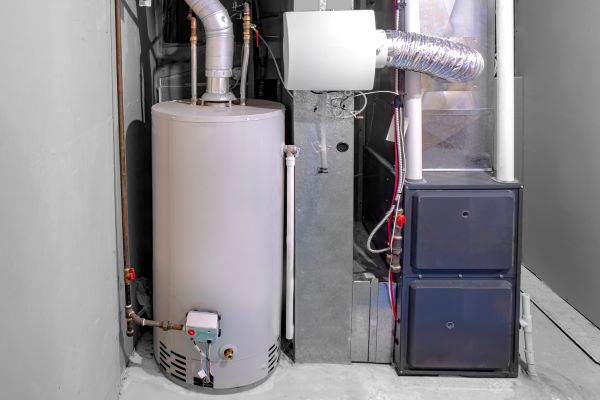
If you’ve just moved into a new home or are gearing up for your annual furnace maintenance, figuring out what type of heating system you have is easier than you might think. To identify your furnace type, start by looking for a gas line. A gas furnace will always have a solid pipe (typically black iron or copper) running into the unit, along with a visible exhaust flue—either a metal pipe or a white PVC tube—designed to safely vent combustion gases outside. You might also notice a small viewing window on the cabinet where you can see the blue burner flames ignite when the heat kicks on.
In contrast, an electric furnace relies entirely on internal resistance, meaning it will not have a gas supply line, an exhaust vent, or any visible flames. Instead, you will see a thick, heavy-duty electrical cable routing directly into the cabinet, and it will be tied to a large, dedicated breaker in your home’s main electrical panel. Understanding what you currently have is the perfect starting point for comparing future operating costs or planning an upcoming furnace replacement.
Is a Gas Furnace or Electric Furnace Right for Me?
Deciding which heating system is right for your home comes down to your property’s existing setup, your budget, and your long-term living goals. If you are still on the fence about your next HVAC system upgrade, here are a few common homeowner scenarios to help you find the perfect fit:
- You already have natural gas infrastructure: If your home is hooked up to the gas grid and you plan to stay in your house for years to come, a high-efficiency gas furnace is typically the best choice. While the initial installation cost is higher, lower monthly utility bills typically offset the upfront price tag over a gas furnace’s 15- to 20-year lifespan (compared to 20–30 years for simpler electric models).
- Your home lacks gas access (or you want lower upfront costs): If extending a gas line to your property is cost-prohibitive, an electric furnace is the ideal solution. Electric resistance heating systems have a much lower initial unit cost, making them a budget-friendly option to get your home warm without a massive upfront investment.
- You live in a historic or drafty home: Older homes in the Portland and Vancouver areas often suffer from original windows and subpar insulation. A gas HVAC system provides powerful, rapid, and high-temperature heat distribution that can overcome chilly winter drafts much faster and more efficiently than electric alternatives.
- You are upgrading your electrical panel or going green: If you are already upgrading to a 200-amp panel for an EV charger or adding solar panels, your home is primed for all-electric heating such as with an electric furnace. To fully maximize energy efficiency you could instead consider switching to a heat pump to shrink your carbon footprint even further.
Call Vanport Mechanical & Fire Sprinkler Inc Today to Get a Free Quote on Furnace Services
Whether you are tired of shivering through drafty Portland and Vancouver nights due to an aging heating system, or you are simply frustrated by skyrocketing winter utility bills, choosing the right replacement doesn’t have to be a headache. From weighing the budget-friendly upfront costs of an electric heating upgrade to the powerful, long-term energy savings of a high-efficiency gas furnace, the best choice ultimately depends on your existing home infrastructure and your family’s comfort needs.
Vanport Mechanical & Fire Sprinkler Inc is here to take the guesswork out of your next system upgrade. Our certified, local contractors have decades of experience navigating the unique climate demands of our region and will help you find the perfect, cost-effective fit for your property. Don’t wait until the next winter storm leaves you out in the cold. Contact us today to schedule your consultation and get a free, no-obligation quote on your new furnace installation!