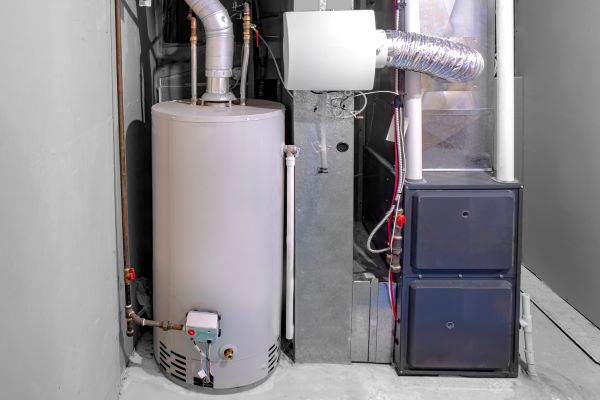
There’s nothing worse than waking up on a cold morning to discover your furnace isn’t working, leaving you and your family shivering and frustrated. But many common furnace problems have simple explanations, and some you can even fix yourself.
Vanport Mechanical & Fire Sprinkler Inc’s NATE-certified technicians have seen just about every furnace issue you can imagine, gas and electric alike.
Gas vs. Electric Furnaces
Both gas and electric furnaces have their own sets of common issues.
Most common problems with gas furnaces include pilot light and ignition failures, gas valve malfunctions, cracked heat exchangers, and dirty flame sensors. Gas furnaces also require proper ventilation to prevent carbon monoxide buildup.
Common problems with electric furnaces often involve electrical components like heating elements, sequencers, relays, and blower motors.
While electric furnaces don’t have the same carbon monoxide risks as gas models, they can still experience airflow problems, thermostat issues, and short cycling. Regular maintenance is the best way to prevent problems and extend the life of your system.
13 Common Furnace Issues (for Both Gas and Electric)
Electrical Issues
If your furnace won’t turn on at all, a tripped circuit breaker or blown fuse might be to blame. This can happen due to an electrical overload, airflow problems, or a fault within the furnace itself.
What you can do: Head to your electrical panel and look for the furnace breaker. If it’s tripped, reset it. Also, check for a power switch on or near your furnace. It looks like a regular light switch and is easy to bump off by accident.
But if the breaker keeps tripping, don’t keep resetting it. This could be a sign of a more serious electrical problem that needs professional attention.
Clogged Air Filters
Clogged air filters are one of the most common problems with both gas furnaces and electric furnaces. It’s easy to forget about your filter because it’s out of sight, but ignoring it can cause serious issues.
When your air filter gets clogged with dust, pet hair, and other debris, it blocks the airflow your furnace needs to work properly. This makes your system work harder, which can lead to higher energy bills, uneven heating, and even a complete shutdown to prevent overheating.
What you can do: Check your filter every month and replace it when it looks dirty, usually every two to three months. This simple step can prevent a lot of home furnace problems and keep your system running smoothly all winter long.
Weak Airflow
If your furnace is running but the airflow from your vents feels weak, the problem is likely related to airflow restrictions somewhere in the system. Common causes include a clogged air filter, a damaged blower motor, or leaky ductwork.
According to ENERGY STAR, up to 30 percent of the air moving through duct systems can escape through leaks, holes, and poorly connected ducts. That’s a lot of wasted heat!
What you can do: Start by replacing your air filter. Then, check your vents to make sure none are blocked by furniture, rugs, or drapes. Also, inspect your ductwork for visible cracks or gaps. Small leaks can sometimes be sealed with duct mastic or foil tape (avoid regular duct tape, which doesn’t hold up well over time).
Blowing Cold Air
Few things are more frustrating than a furnace that runs but only blows cold air. If this happens, there are a few things to check before calling for help.
What you can do: First, make sure your thermostat fan setting is on “auto” rather than “on.” When set to “on,” the fan will blow air even when the furnace isn’t actively heating, which can make the air feel cold. Next, check that your gas supply is turned on (for gas furnaces) or that your fuel tank has fuel (for oil furnaces).
If everything looks normal but the problem continues, the issue could be with the pilot light, ignition system, or another internal component.
Thermostat Issues
Before you assume the worst, take a moment to check your thermostat. Sometimes the issue isn’t with the furnace itself. It’s with the device controlling it.
A thermostat with dead batteries, loose wires, or dirty sensors can cause your furnace to work intermittently or not at all. It’s also possible that someone accidentally bumped the thermostat and changed the settings.
What you can do: Make sure your thermostat is set to “heat” and that the temperature is set higher than the current room temperature. If the screen is blank, try replacing the batteries. But if your thermostat is a programmable model, double-check that it’s set to the right mode.
Blower Motor Malfunctioning
The blower motor is the heart of your furnace’s air distribution system. It powers the fan that pushes warm air through your ductwork and into your rooms.
So if the blower motor isn’t working, you’ll notice weak or no airflow from your vents (even if the furnace is running). Blower motor problems can be caused by electrical issues, worn-out parts, or obstructions that prevent the fan from spinning freely.
What you can do: Check your circuit breaker to see if it has tripped. If resetting it doesn’t help, or if the breaker keeps tripping, call a professional.
You can also try turning off the furnace and checking if the blower wheel spins freely by hand. But if it doesn’t, the motor likely needs repair or replacement.
Ready for a quote?
Click below to leave your information and we will call you back in 30 minutes or less!
Dirty or Broken Flame Sensor
If your furnace starts up and then shuts down after just a few seconds, the flame sensor might be the problem. This small component sits near the burner and detects whether a flame is present. So if it’s dirty or broken, it can’t do its job (and your furnace will shut off as a safety precaution).
What you can do: A dirty flame sensor can sometimes be cleaned, but this is a job best left to a professional. An HVAC technician can clean or replace the sensor quickly, preventing unnecessary shutdowns and keeping your home comfortable.
Pilot Light & Ignition Problems
If your furnace has power but isn’t producing warm air, the problem might be with your pilot light or ignition system.
Older gas furnaces use a standing pilot light to ignite the burners, while newer models (both gas and electric) use electronic ignition systems. Over time, pilot lights can go out due to drafts or dirt buildup.
Electronic igniters can fail because of dust, a dirty flame sensor, or worn-out parts. If your ignition system isn’t working, your furnace simply can’t produce heat.
What you can do: For older furnaces, check to see if the pilot light is lit. If it’s out, you can try relighting it by following the instructions on your unit (use caution). But if you smell gas or the pilot won’t stay lit, turn off the gas supply and call a professional right away.
Most furnaces made after 2010 don’t have a standing pilot light. If you don’t see that familiar blue flame, you probably have an electronic ignition system. When these fail, it’s best to have a certified technician diagnose and repair the problem.
Gas Valve Problems
For gas furnaces, the gas valve controls the flow of natural gas to the burners. If the valve is stuck, malfunctioning, or not opening properly, your furnace won’t get the fuel it needs to produce heat. This can cause your furnace to fail to start or shut down unexpectedly.
What you can do: If you suspect a gas valve issue, turn off the furnace and shut off the gas supply for safety. Working with gas valves is dangerous and should only be done by a certified technician. If you smell gas at any point, leave your home immediately and call your gas company.
Short Cycling
Does your furnace turn on and off every few minutes without fully warming your home? This is called short cycling, and it’s one of the most common furnace issues we see.
Short cycling can happen for several reasons. A clogged air filter is often the culprit, but it can also be caused by a malfunctioning thermostat, blocked vents, or even an oversized furnace that heats your space too quickly.
When your furnace short cycles, it wastes energy, increases wear and tear on your system, and leaves your home feeling cold and uncomfortable.
What you can do: Start by checking your air filter and replacing it if needed. Make sure all your vents are open and free from furniture or drapes.
Strange Noises
A healthy furnace should run fairly quietly. If you start hearing squealing, rattling, banging, or grinding sounds, your furnace is trying to tell you something is wrong.
Squealing or grinding often points to a blower motor issue, such as dry or worn-out bearings. Rattling or banging can mean loose parts or problems with the blower wheel. A hissing sound is especially serious, as it could signal a gas leak.
What you can do: Start by checking for loose panels and tightening any visible screws. If the noise continues, or if you smell gas or burning, turn off your furnace and call a professional immediately. Ignoring strange noises can lead to bigger, more expensive repairs down the road.
Cracked Heat Exchanger
A cracked heat exchanger is one of the most serious gas furnace problems you can face. The heat exchanger is the part of your furnace that separates the combustion process from the air circulating through your home. If it cracks, dangerous carbon monoxide gas can leak into your living space.
Signs of a cracked heat exchanger include: a yellow or flickering pilot light, unusual smells, and soot buildup around the burners. Carbon monoxide is odorless and colorless, so you may not notice a leak until your carbon monoxide detector goes off (or worse).
What you can do: If you suspect a cracked heat exchanger, turn off your furnace right away and call a qualified HVAC technician. Depending on the age and condition of your furnace, they may recommend replacing the heat exchanger or the entire unit for your safety.
Unusual Smells
Your furnace can produce a variety of smells, some harmless and some cause for concern. A slight burning smell when you first turn on your furnace for the season is usually just dust burning off the heating elements, and it should go away quickly. However, a persistent burning smell could indicate an electrical problem.
What you can do: If you smell gas near your furnace, this is a serious issue. Turn off the gas supply, leave your home, and call your gas company immediately. But if there’s a musty smell, it might mean mold has built up in your ductwork. This can seriously affect your indoor air quality.
When to Call a Professional for Furnace Repair
Many furnace issues have simple fixes you can handle yourself, like replacing a dirty filter or resetting a tripped breaker. But some problems require the expertise of a trained HVAC technician. Here’s when you should call for professional help:
- You’ve tried the troubleshooting tips above, but your furnace still isn’t working properly.
- You notice visible damage to your furnace, such as cracks, rust, or holes.
- Your furnace displays an error code you don’t understand.
- Your energy bills are unusually high, even though you’ve been keeping up with maintenance.
- You smell smoke or a strong burning odor that doesn’t go away.
- Your carbon monoxide detector goes off. This is an emergency, so leave your home and call for help right away.
Some furnace issues are minor inconveniences, but others can put your family’s safety at risk. When in doubt, trust the experts.
Keep Your Home Warm All Winter Long
Furnace trouble is never fun, especially during the cold, rainy months we experience here in Vancouver WA and the Portland OR Metro Area. But with a little knowledge and regular maintenance from experts, you can catch common furnace problems early and avoid unexpected breakdowns.
At Vanport Mechanical & Fire Sprinkler Inc, we’re committed to keeping your home comfortable and safe. Our experienced, certified technicians are available 24/7 for emergency repairs, and we always provide honest, transparent recommendations.
Ready to schedule your furnace service? Contact Vanport Mechanical & Fire Sprinkler Inc today for a free estimate, or reach out anytime for 24/7 emergency support. Let us keep your home warm and worry-free all season long.